
The Sweet Success: Why Indonesia Dominates the Global Coconut Sugar Market?
- 23 Apr 2026
- Education

Photo by Philipp Angerhofer on Unsplash
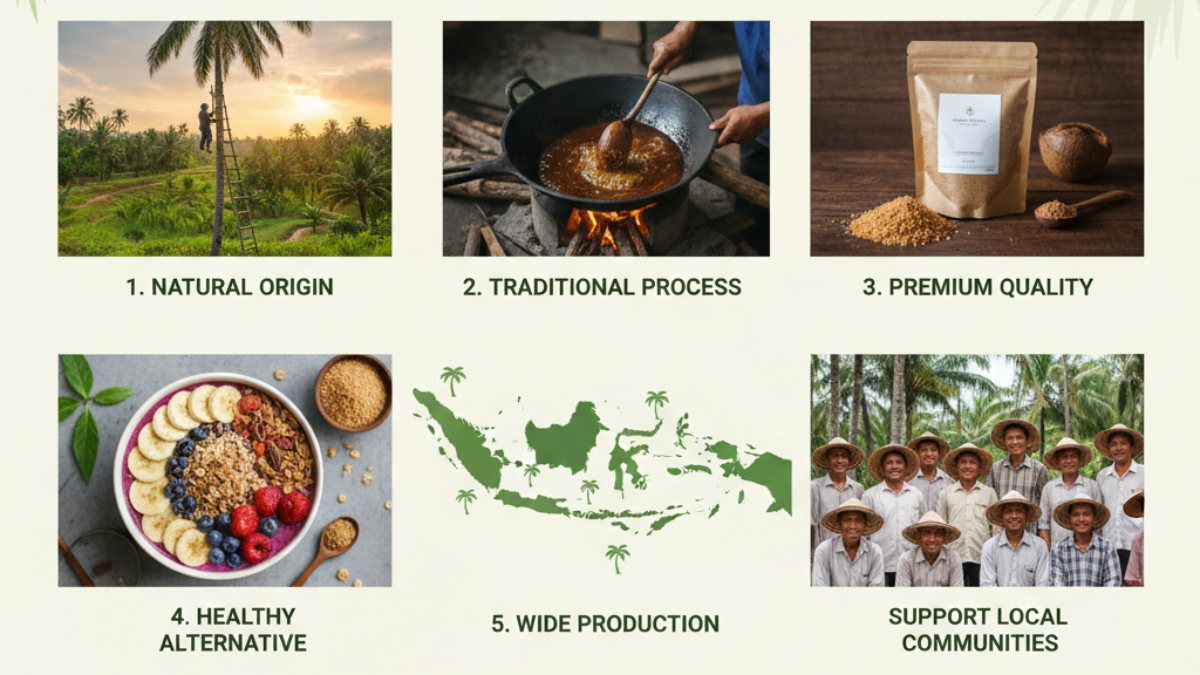
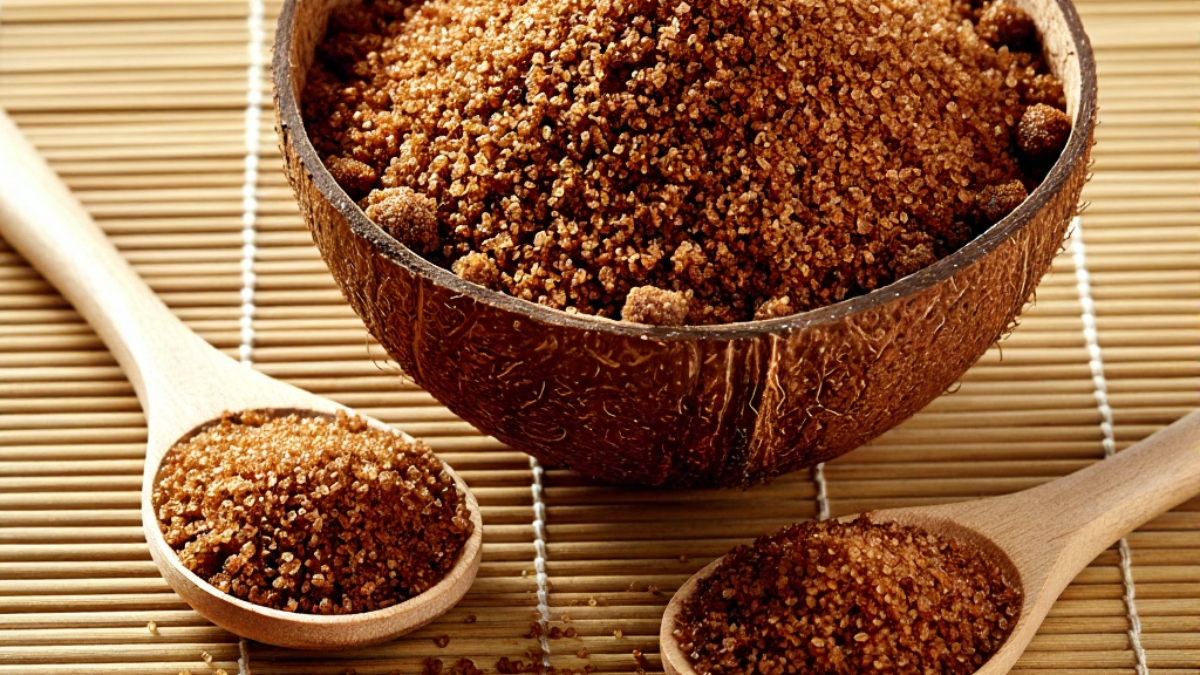
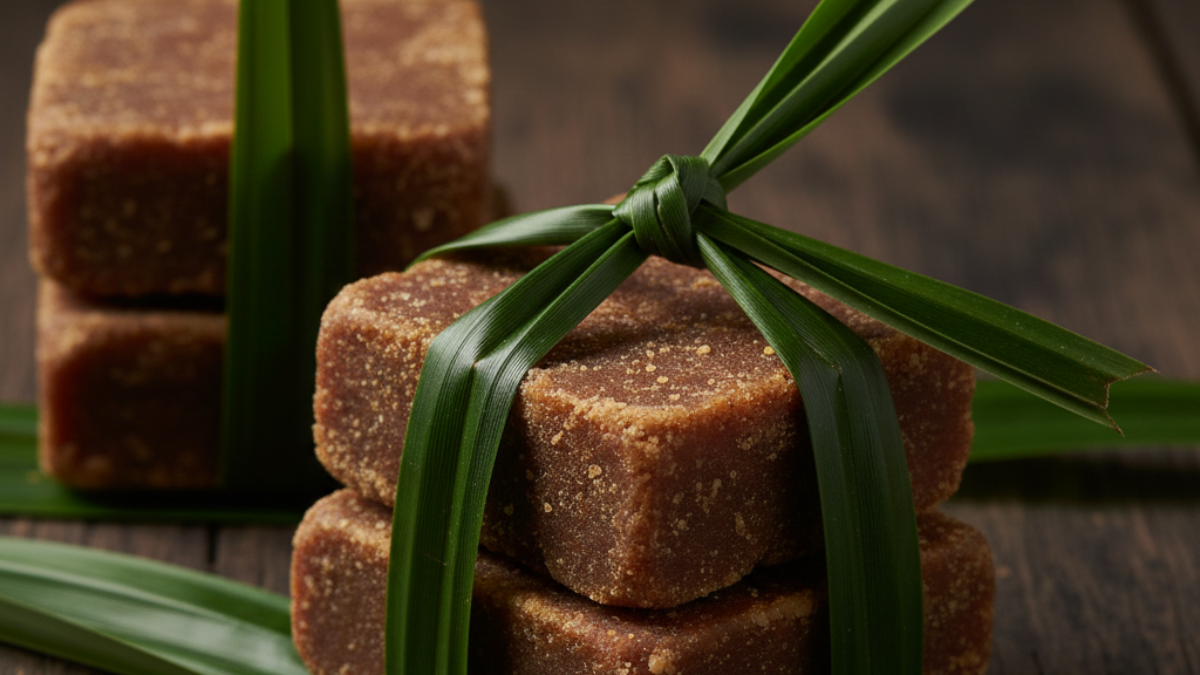
It is no secret that Indonesia is a tropical paradise for coconut trees. However, there is one specific derivative that is currently skyrocketing in international demand: Coconut Sugar (often referred to locally as Gula Semut). Currently, Indonesia stands as one of the world's largest producers and exporters of coconut sugar, competing closely at the top of the global supply chain.
The surging global demand for natural, healthier sweeteners has placed Indonesia in a highly strategic position within the international trade landscape.
What Makes Indonesian Coconut Sugar So Special?
While many tropical nations produce coconut sugar, products from the Indonesian archipelago possess a unique value proposition that is hard to beat. Several natural and technical factors contribute to this superiority:
- Ideal Geographical Conditions: Coconut trees in Indonesia often grow in mineral-rich volcanic soil. This results in coconut sap (nira)—the raw material for the sugar—having a richer, more consistent flavor profile.
- Preserved Traditional Methods: Most production is still carried out by local artisans. The human touch in the crystallization process provides a natural caramel aroma and texture that automated machines simply cannot replicate.
- International Organic Standards: Many local producers have now secured prestigious certifications, such as USDA Organic and EU Organic, which serve as the primary "golden ticket" into the American and European markets.
Health Benefits: The Main Driver of Global Demand
The world is shifting from refined white sugar to healthier alternatives. Coconut sugar wins in two major categories:
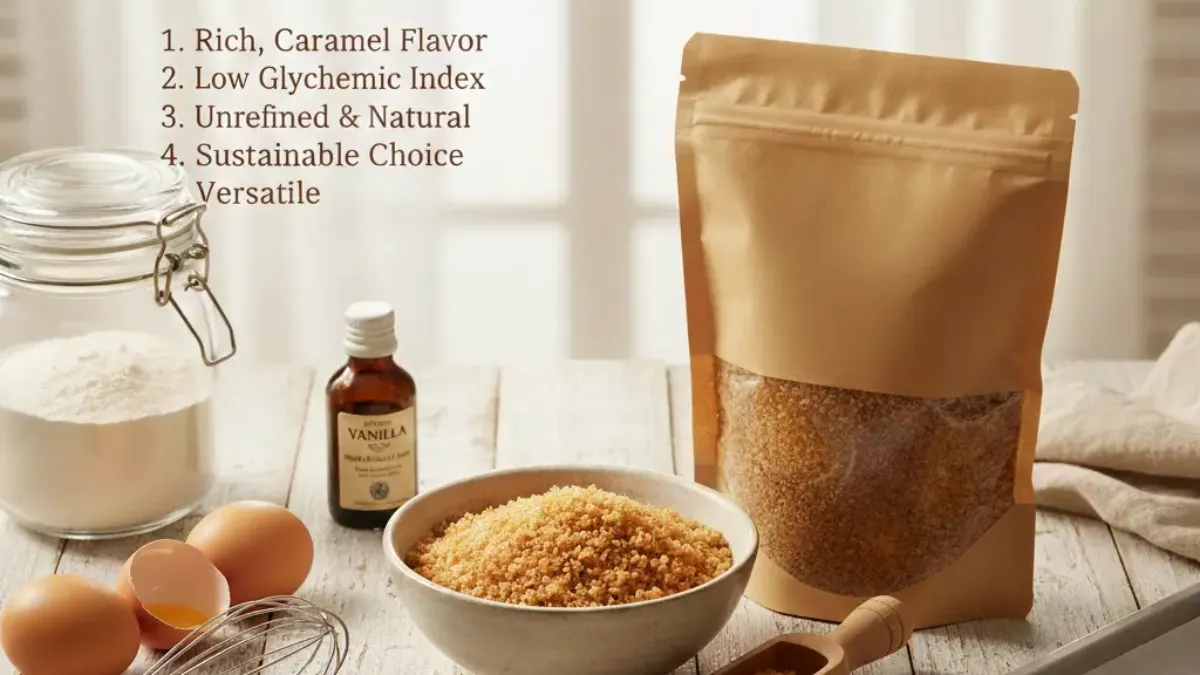
- Low Glycemic Index (GI): Coconut sugar has a GI of around 35, significantly lower than white sugar, which averages between 60-65. This means it doesn't cause drastic spikes in blood sugar levels.
- Nutrient Density: Unlike "empty" refined sugars, coconut sugar retains minerals like iron, zinc, calcium, and potassium, along with beneficial antioxidants.
Pro Insight: How to Identify Export-Quality Coconut Sugar
Whether you are looking to enter the business or simply want the best for your kitchen, look for these specific criteria:
- Moisture Content: Premium export-quality coconut sugar must have a moisture content below 2%. This ensures the product doesn't clump and has a longer shelf life without the need for preservatives.
- Solubility: Drop a spoonful into room-temperature water. Pure coconut sugar will dissolve quickly without leaving behind any gritty, sandy residue.
- Consistent Color: A uniform golden-brown hue indicates that the sap was heated at a controlled temperature, preventing burning or over-caramelization.
The Future of the Industry in Indonesia
This potential is not without its hurdles. The regeneration of "sap tappers" (farmers who climb the trees daily) is a crucial issue. However, with the digitalization of the supply chain and ongoing education, this industry is projected to grow by over 5% annually through 2030. This presents a massive opportunity for local SMEs to penetrate the global market by championing the narratives of "sustainability" and "wellness."
Other Article
Global Trading
Rising Global Demand for Coconut Sugar: Why the World Is Switching Sweeteners
- 22 Dec 2025