
Why Organic Coconut Sugar Is a Smarter Sweetener Choice
- 22 Dec 2025
- Education
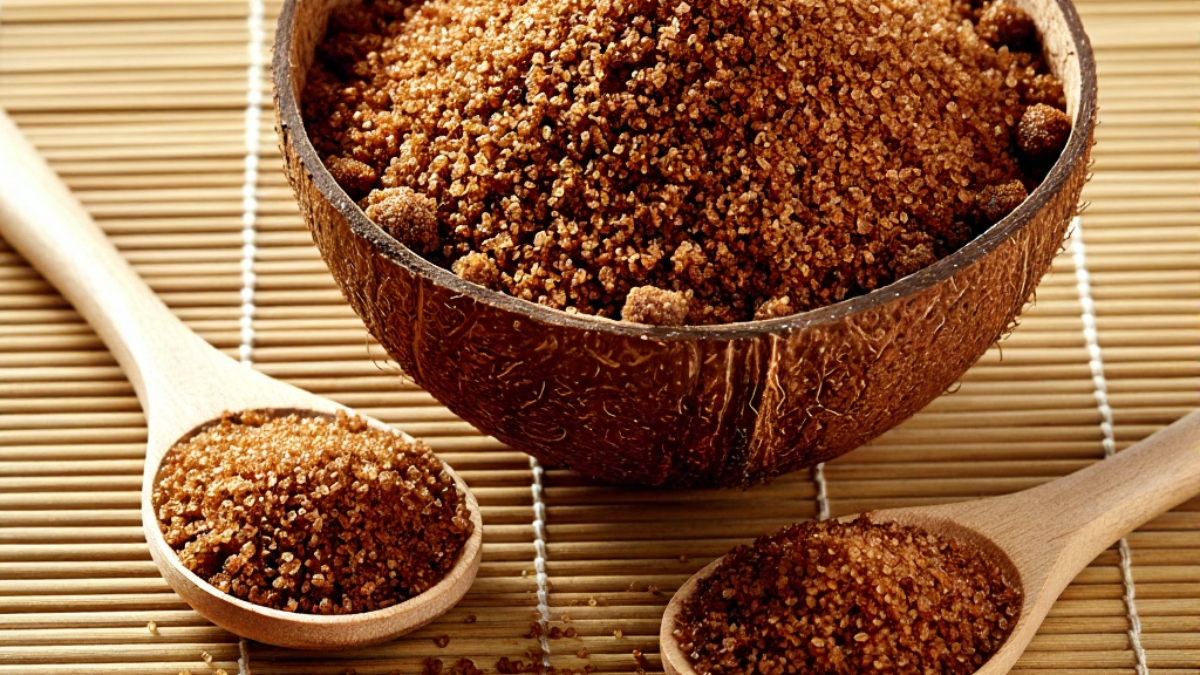
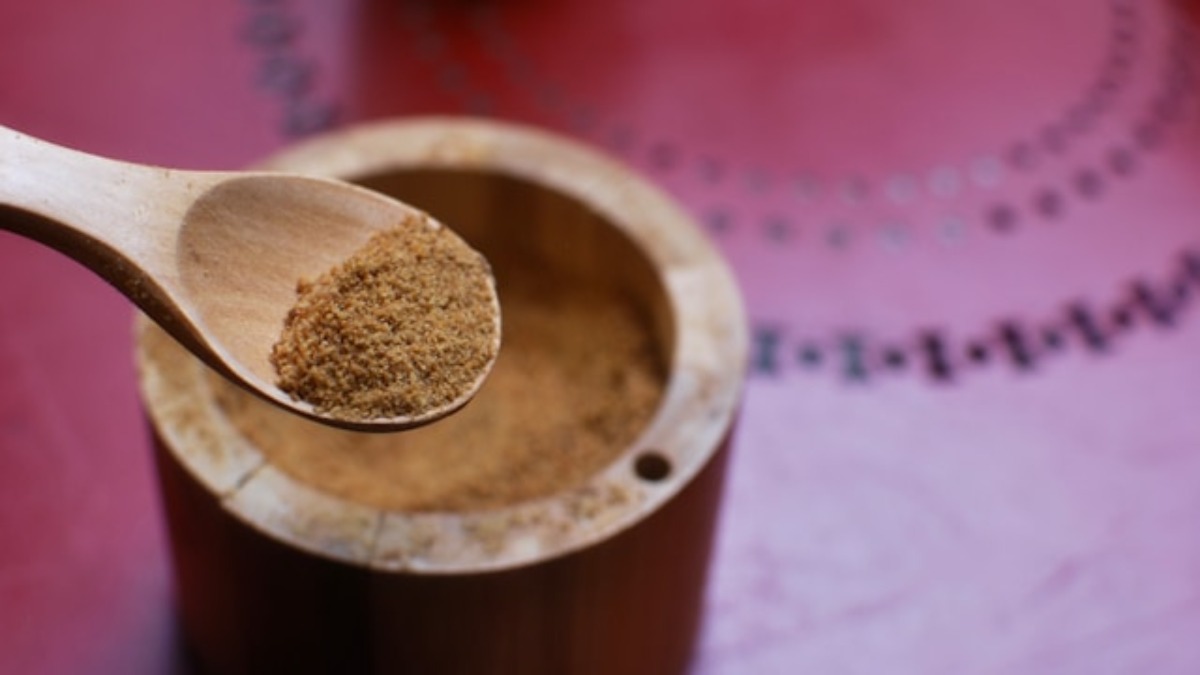
Photo by Coco Source
Sugar is part of daily life in coffee, desserts, and even savory dishes. But not all sugars are created equal. If you’re looking for a sweetener that feels more natural, less processed, and gentler on the body, organic coconut sugar deserves your attention.
This isn’t just another “healthy food trend.” Organic coconut sugar has real reasons behind its growing popularity from how it’s made to how your body responds to it.
Let’s break it down in a simple, honest way.
What Is Organic Coconut Sugar?
Organic coconut sugar is made from the sap of coconut palm blossoms, not from coconuts themselves. The sap is collected, gently heated to evaporate the water, and naturally crystallized into sugar.
- That’s it.
- No bleaching.
- No chemical refining.
- No artificial additives.
Because the process is minimal, coconut sugar retains some of its natural nutrients unlike refined white sugar, which is stripped down to pure sucrose.
Flavor-wise, it has a warm, caramel-like taste, making it perfect for coffee, baking, or even savory recipes.
Key Benefits of Organic Coconut Sugar
1. Lower Glycemic Index Than Regular Sugar
One of the biggest reasons people switch to coconut sugar is its lower glycemic index (GI).
- Coconut sugar: ~GI 35
- White sugar: ~GI 60–70
A lower GI means it causes a slower rise in blood sugar levels, helping avoid sudden spikes and crashes. This is especially helpful for people trying to manage energy levels, sugar cravings, or overall metabolic health.
2. Contains Natural Minerals and Nutrients
Unlike refined sugar, organic coconut sugar still contains small amounts of:
- Potassium
- Magnesium
- Zinc
- Iron
- B vitamins
While it’s not a replacement for vegetables or supplements, these nutrients make coconut sugar nutritionally superior to regular table sugar, which offers calories with zero nutritional value.
Think of it as a better option, not a miracle food.
3. More Natural, Less Processed
Organic coconut sugar is typically:
- Free from synthetic chemicals
- Non-GMO
- Vegan-friendly
- Unrefined and unbleached
For people who care about clean ingredients and food transparency, this matters. The fewer steps between nature and your plate, the better.
4. More Sustainable for the Environment
Coconut palms are highly productive and require less water and land compared to sugarcane. They can produce sap year-round without damaging the tree.
This makes coconut sugar one of the most sustainable natural sweeteners available today, better for the planet, not just your body.
How to Use Coconut Sugar in Daily Life
Good news: you can replace white sugar with coconut sugar using a 1:1 ratio in most recipes.
It works well for:
- Coffee and tea
- Baking (cookies, cakes, muffins)
- Oatmeal or yogurt
- Sauces and marinades
Because of its mild caramel flavor, it often adds extra depth without overpowering the dish.
Looking for a Reliable Coconut Sugar Export Partner?
If you’re sourcing coconut sugar for international markets, working with the right supplier matters just as much as product quality.
Coco Source is an Indonesian-based supplier and exporter specializing in both conventional and certified organic coconut sugar. We work closely with farmer groups and processing partners to ensure consistent quality, traceable sourcing, and export-ready specifications.
Our coconut sugar is supplied to importers, distributors, food manufacturers, and private label brands across Europe, the United States, and Asia.
Whether you need bulk supply, private label solutions, or specific quality requirements for your market, CocoSource Global is ready to support your export needs.
Other Article

Education
Beyond the Sweetness: Why Organic Coconut Sugar is the Smarter Choice for Your Health
- 23 Apr 2026