Why Is Indonesian Coconut Sugar Considered High Quality?
- 29 Jan 2026
- Education
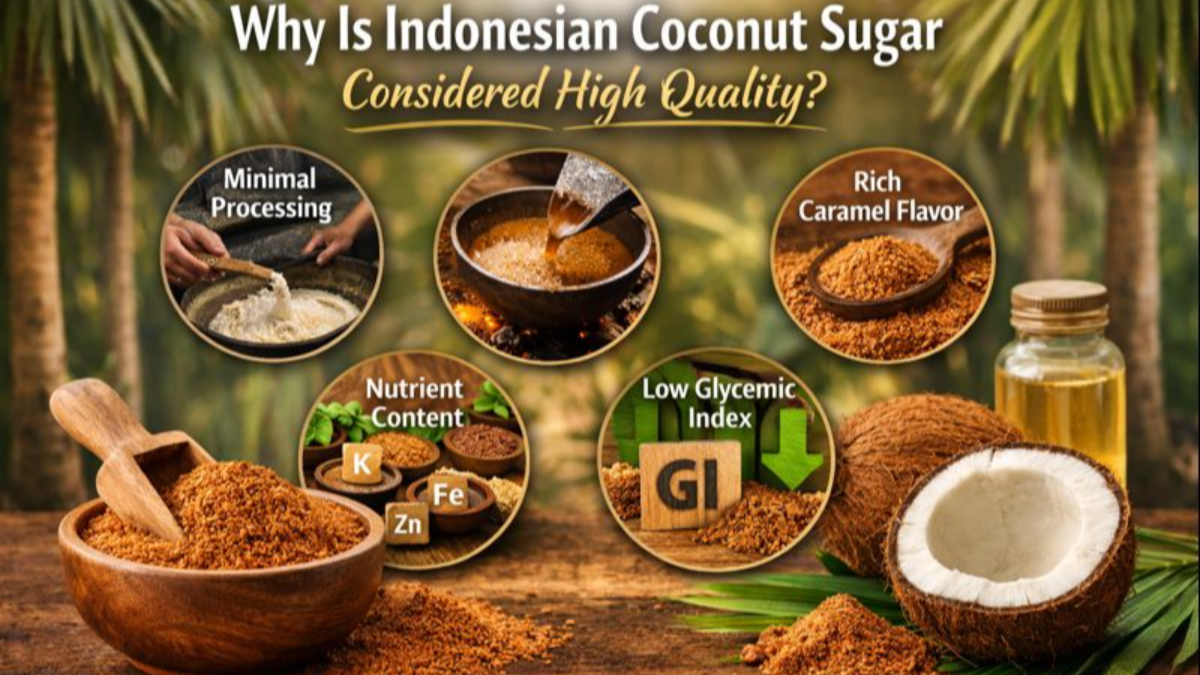
Indonesian coconut sugar has become a favorite in the global market not just because it’s sweet, but because it offers something more.
From health focused consumers to food manufacturers, many see it as a premium natural sweetener.
So what exactly makes coconut sugar from Indonesia stand out in terms of quality?
Let’s explore the real reasons behind its growing reputation.
Naturally Made with Minimal Processing
One of the strongest quality indicators of coconut sugar is how it’s produced.
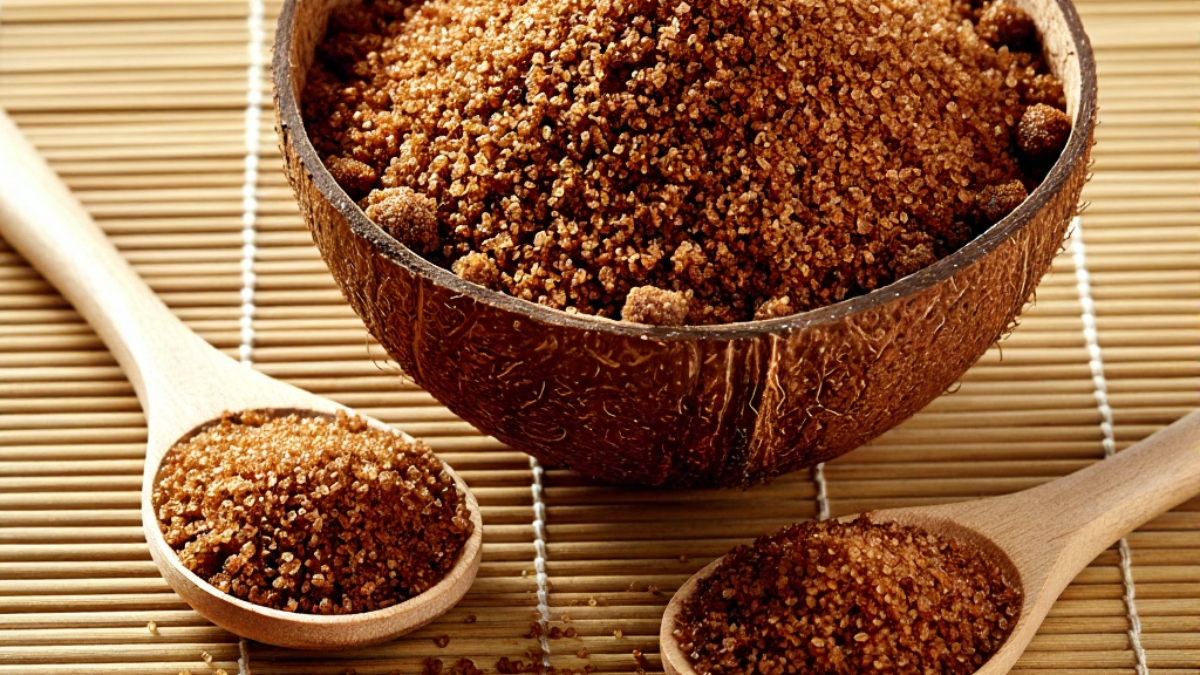
Coconut sugar is made from the sap of coconut palm blossoms. The sap is gently heated until the water evaporates and natural sugar crystals form. There’s no bleaching, chemical refining, or artificial additives involved.
This minimal processing helps preserve:
- Natural flavor and aroma
- Original color
- Trace nutrients often lost in refined sugar
The result is a sweetener that feels closer to nature and less industrial.
Distinct Flavor and Aroma
High-quality coconut sugar is known for its smooth caramel-like taste with a mild toffee aroma. It’s sweet, but not overpowering.
This balanced flavor profile makes it popular for:
- Coffee and tea
- Baking and desserts
- Sauces and marinades
- Plant-based and organic food products
Instead of just adding sweetness, it enhances the overall taste of food.
Better Nutritional Profile Than Refined Sugar
While coconut sugar is still sugar, it offers more than empty calories.
Naturally, it contains small amounts of:
- Potassium
- Magnesium
- Iron
- Zinc
- B-complex vitamins
Some coconut sugar also contains inulin, a natural fiber that may help slow glucose absorption. These nutrients don’t make it a superfood, but they do make it a more meaningful alternative compared to refined white sugar.
Lower Glycemic Index
Another reason Indonesian coconut sugar is considered high quality is its lower glycemic index (GI) compared to regular sugar.
What does this mean in everyday terms?
- Slower rise in blood sugar
- More stable energy levels
- Less risk of sharp sugar spikes
This is especially appealing to consumers who want to manage sugar intake without completely giving up sweetness.
Important note: lower GI doesn’t mean sugar-free. Moderation is still key.
Consistent Texture and Shelf Stability
Quality coconut sugar is:
- Dry but not powdery
- Free from excessive clumping
- Easy to dissolve
Proper moisture control during production helps maintain shelf life and prevents spoilage a critical factor for global distribution and food manufacturing.
Consistency in texture and color is one reason international buyers trust Indonesian coconut sugar.
Sustainable and Eco-Friendly Production
Coconut sugar production is often praised for its sustainability.
Coconut palms:
- Require relatively little water
- Can be tapped for sap without being cut down
- Produce sap continuously for many years
This makes coconut sugar a more environmentally responsible choice compared to large-scale sugarcane farming.
For modern consumers, sustainability is no longer a bonus it’s an expectation.
Strong Appeal in Global Markets
Thanks to its natural profile, nutritional advantages, and sustainability, Indonesian coconut sugar fits perfectly into:
- Clean-label products
- Organic and natural foods
- Vegan and plant-based diets
- Health-conscious lifestyles
This broad appeal helps explain why demand continues to grow worldwide.
Common Misconceptions to Clear Up
Before wrapping up, a few things worth clarifying:
- “Coconut sugar is calorie free.
”False. It’s still sugar and contains calories. - “All brown sugar is coconut sugar.”
Not true. Many brown sugars are refined sugar with added molasses. - “Healthier sugar means unlimited use.”
Even natural sweeteners should be consumed mindfully.
Other Article


Global Trading
Rising Global Demand for Coconut Sugar: Why the World Is Switching Sweeteners
- 22 Dec 2025