Beyond the Sweetness: Why Organic Coconut Sugar is the Smarter Choice for Your Health
- 23 Apr 2026
- Education

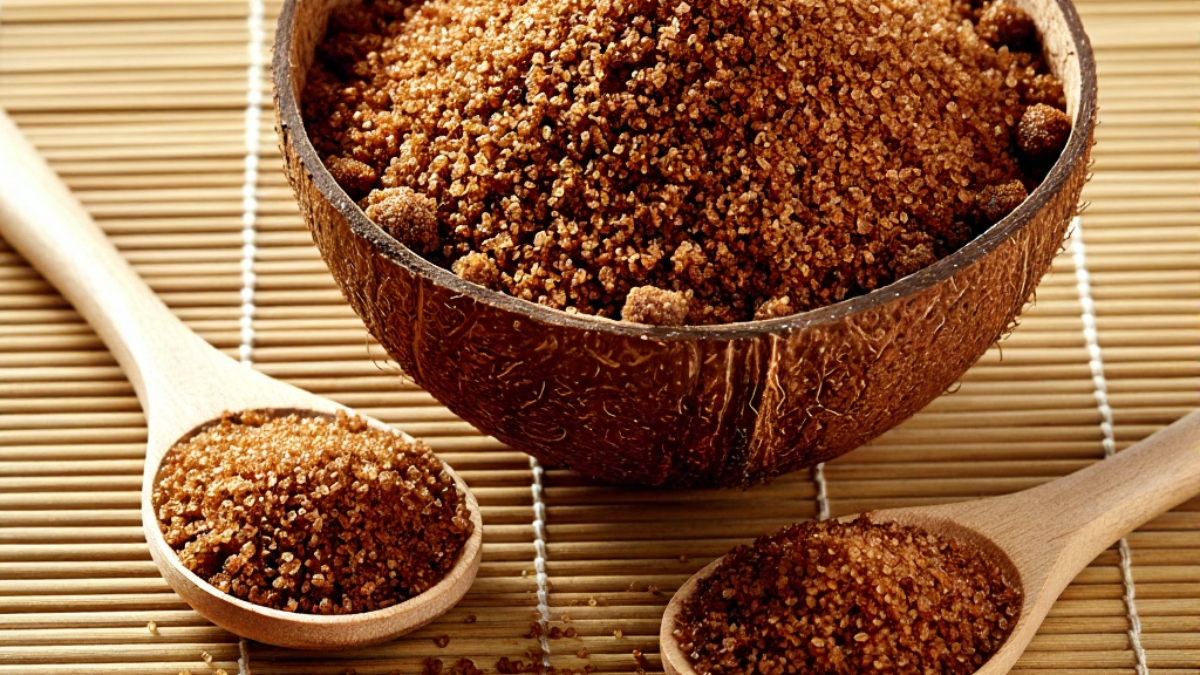
Photo by Pea on Unsplash
In an era where we are increasingly conscious of what goes into our bodies, the search for the "perfect" sweetener is more relevant than ever. While refined white sugar has long been the kitchen staple, a natural rival has taken the spotlight: Organic Coconut Sugar.
But what makes it "smarter"? It isn't just about the exotic name; it's about a combination of metabolic health, nutrient density, and environmental responsibility.
1. A Gentle Reach for Your Blood Sugar (Low GI)
The most significant advantage of organic coconut sugar is its Low Glycemic Index (GI). While standard table sugar has a GI of around 65, coconut sugar sits much lower, typically at 35.
- Why it matters: A lower GI means the sugar is absorbed more slowly into the bloodstream. This prevents the "sugar crash"—that sudden spike and subsequent drop in energy that leaves you feeling tired and craving more sweets. It provides a more sustained energy release, making it a better companion for your daily activities.
2. Naturally Packed with "The Good Stuff"
Refined sugar is often called "empty calories" because the refining process strips away all nutritional value. Organic coconut sugar, however, is minimally processed, allowing it to retain essential minerals and vitamins:
- Minerals: It contains noticeable amounts of Iron, Zinc, Calcium, and Potassium.
- Antioxidants: These help combat oxidative stress in the body.
- Inulin: This is a type of prebiotic fiber that not only slows glucose absorption but also supports a healthy gut microbiome.
3. Unmatched Culinary Versatility
One of the reasons people hesitate to switch sweeteners is the fear of ruining a recipe. Fortunately, organic coconut sugar is a "dream" for bakers and baristas.
- Taste Profile: It offers a deep, warm caramel flavor that adds complexity to coffee, tea, and desserts.
- 1:1 Ratio: In most recipes, you can swap white or brown sugar for coconut sugar in a simple 1:1 ratio. No complex math required.
4. The Eco-Friendly Sweetener
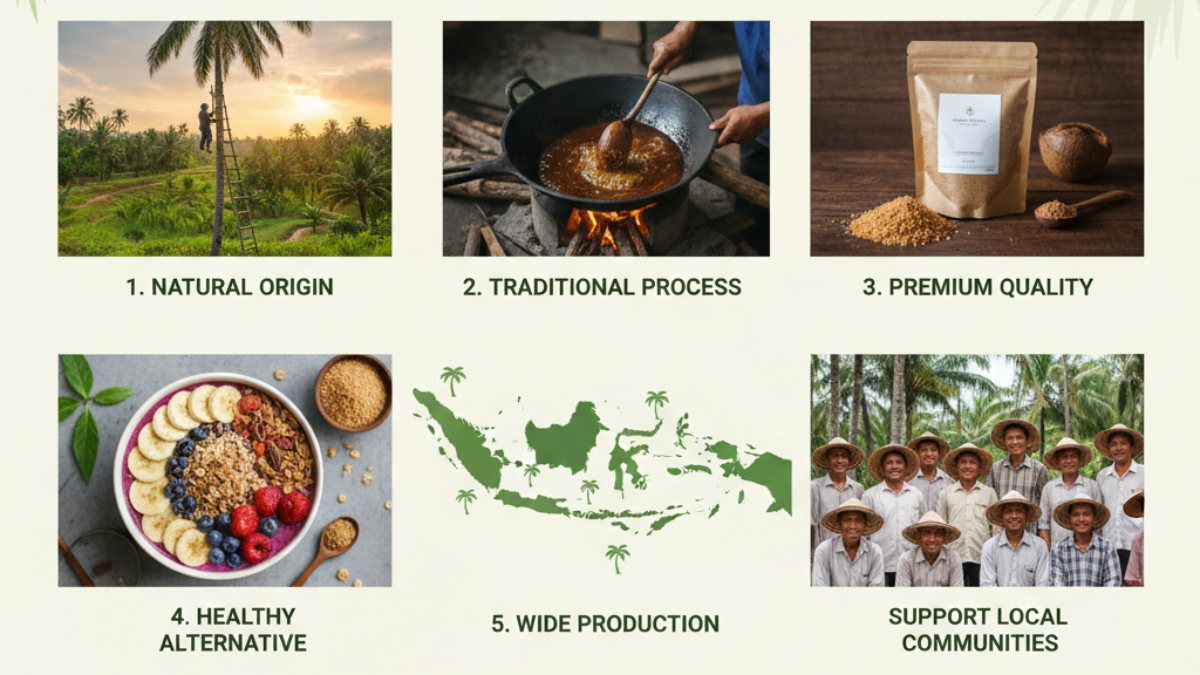
Choosing organic coconut sugar isn't just a win for your body; it’s a win for the planet. The Food and Agriculture Organization (FAO) has recognized coconut sugar as one of the most sustainable sweeteners in the world.
- Resource Efficiency: Coconut trees produce 50–75% more sugar per acre than cane sugar while using a fraction of the water.
- Sustainability: A single tree can be tapped for its sap for decades, meaning there is no need for the massive annual land clearing associated with sugar cane or beet farming.
Actionable Insight: How to Use It Like a Pro
To get the most out of your switch to organic coconut sugar, try these specific tips:
- Enhance Your Morning Brew: Because of its caramel notes, it pairs exceptionally well with dark roasts, neutralizing bitterness without making the drink "cloying."
- The "Moisture" Factor: In baking (like cookies or brownies), coconut sugar tends to absorb moisture. If your baked goods feel too dry, try adding an extra tablespoon of liquid (milk or oil) to the batter.
- Check the Label: Ensure it is labeled 100% Pure Organic. Some cheaper versions are "blended" with cane sugar, which negates the low GI benefits.
Other Article